Who We Are

About

A local concrete contractor serving homeowners across Palo Alto, CA.

HomeAbout Us
Coastal Concrete completed project
Our Story

Why We Do It This Way

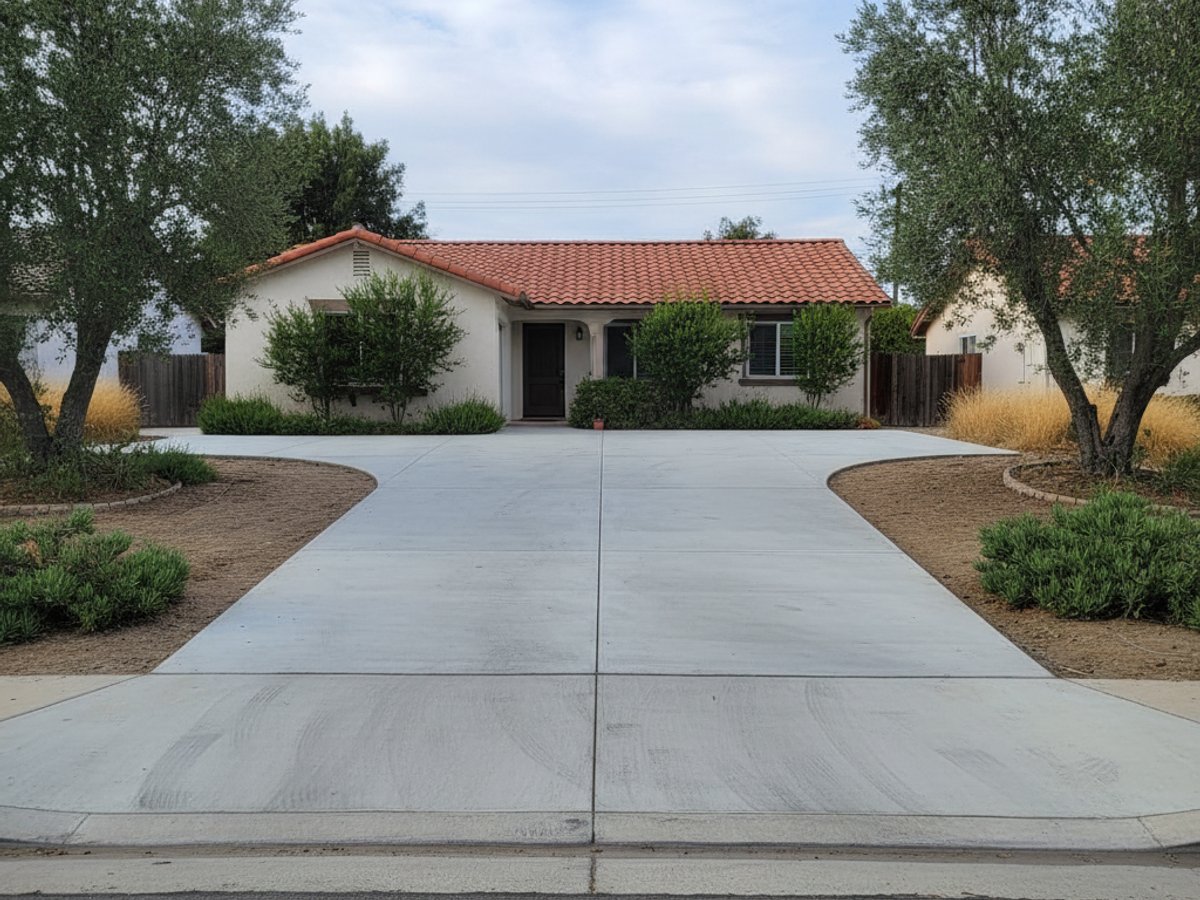
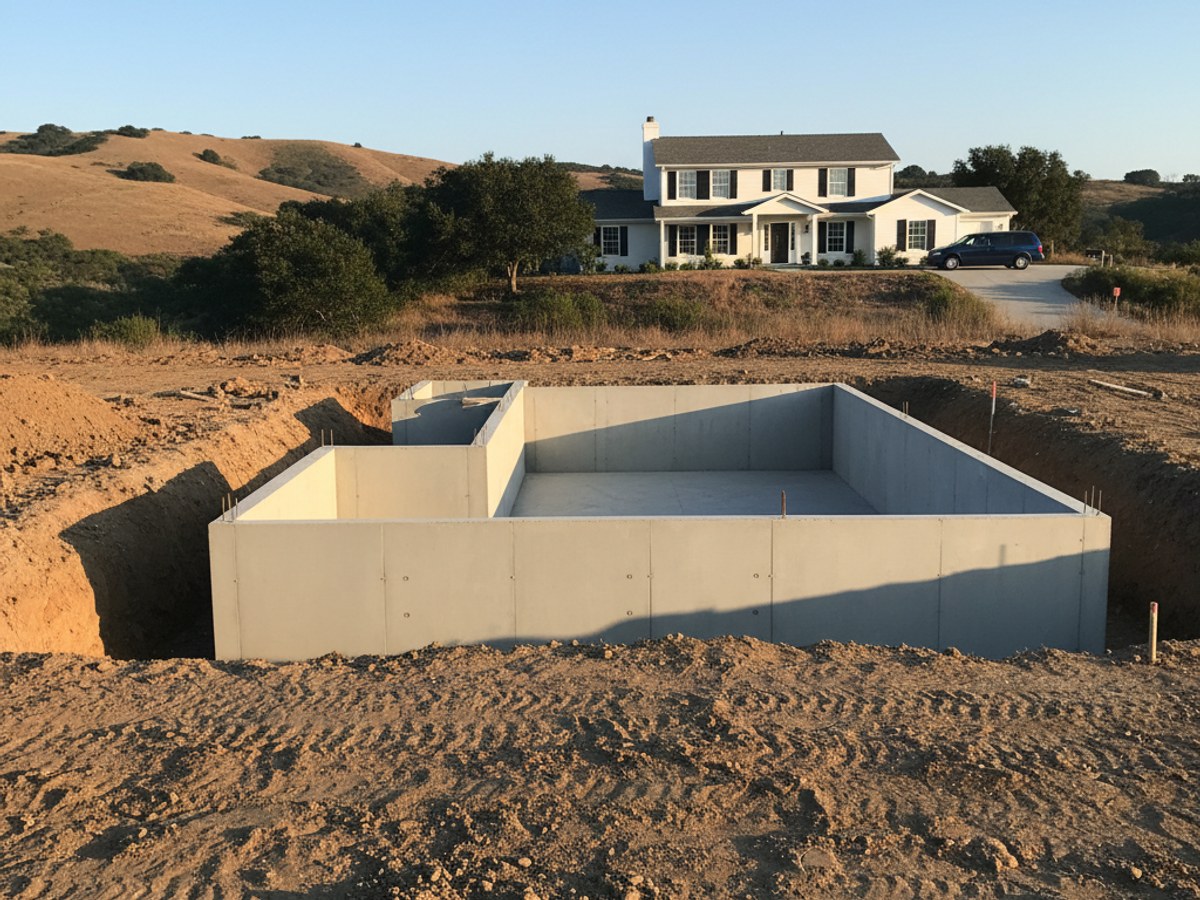
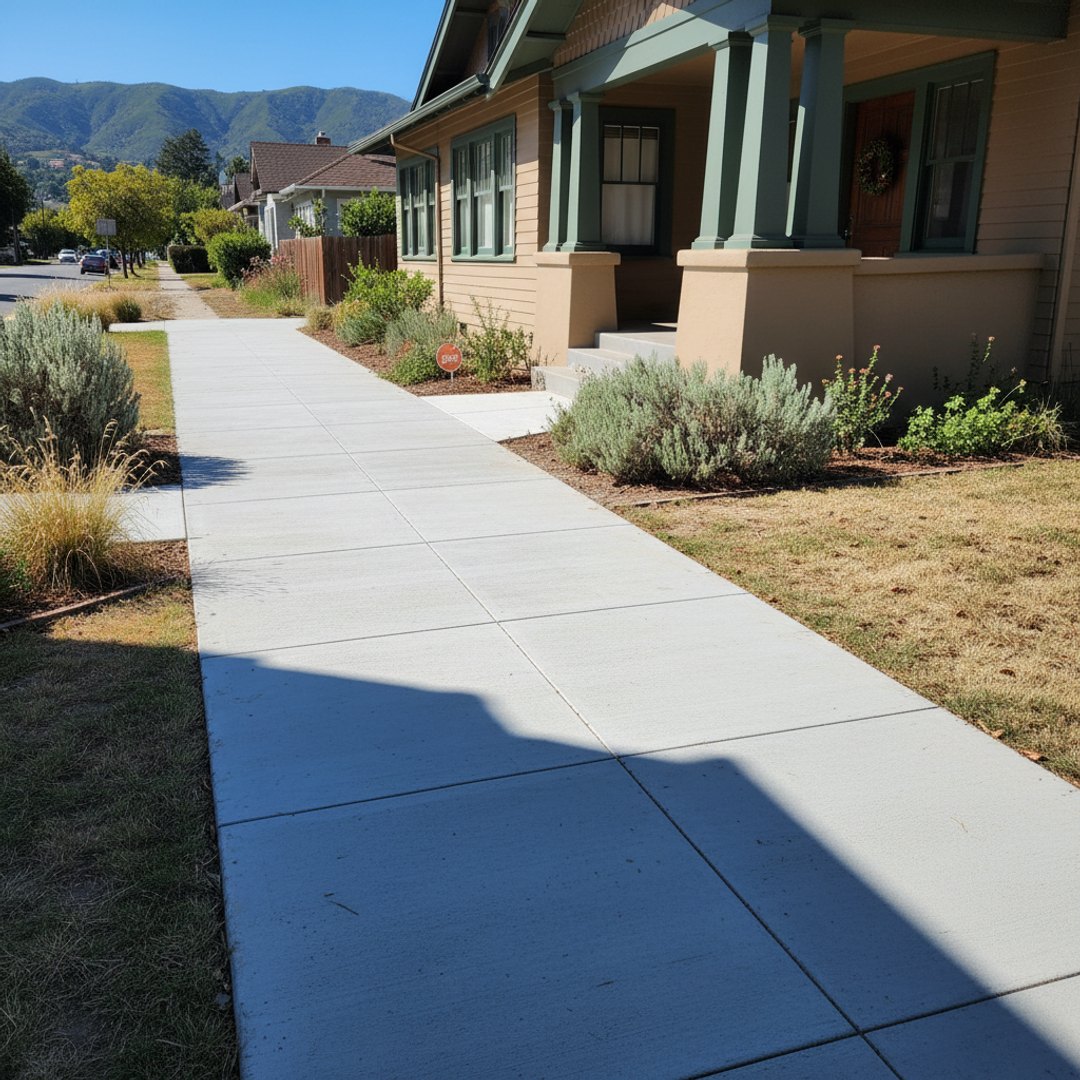
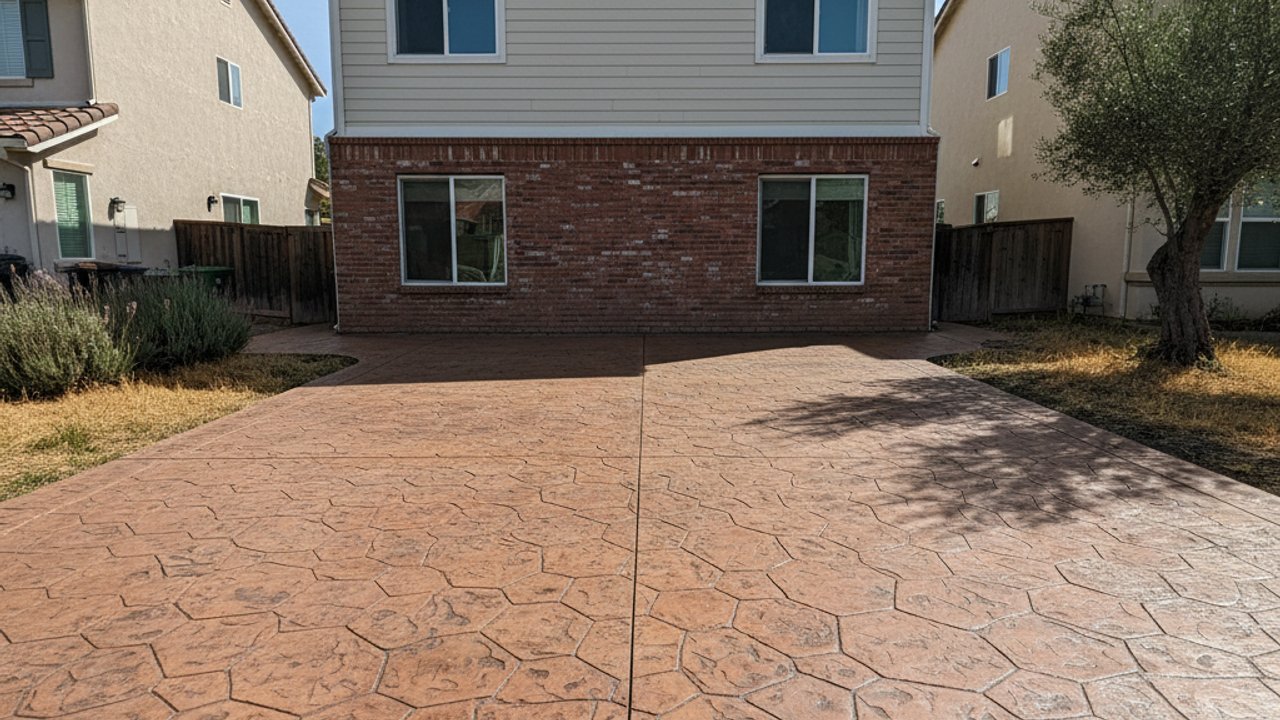
We pour driveways, patios, foundations and steps for homeowners across the Peninsula. Most of us learned this trade running flatwork crews for other outfits before deciding to run our own jobs. If you're looking at a slab that's cracked or sinking at one corner, that's usually what brings someone to this page.

The failure we see most out here is a driveway or patio that cracks along a random line because nobody cut a control joint where the concrete wanted to break. We saw-cut joints within 24 hours of the pour, before the slab makes that decision on its own, and we grade the base so water moves away from your house instead of pooling against the foundation.

10+
Years Experience
500+
Projects Completed
12
Cities Served
Why Choose Us

What you get when you hire us

None of this is complicated. It is mostly just doing what we said we would do.

Licensed and Insured

Every pour is backed by insurance in case something goes wrong on site. We keep our license current and can show you proof before we start.

Permit Handling

Palo Alto and the surrounding cities each have their own inspection rules for slabs and footings. We deal with the permit office so you don't have to.

Clean Job Sites

Concrete work makes a mess, forms, broken-out slab, bags of cement dust. We haul it off the same day we finish, not weeks later.

Written Estimates

No verbal ballpark that changes once the truck shows up. Our quotes name the PSI, the reinforcement, and the finish so you know what you're paying for.

Weather-Smart Scheduling

Concrete needs a dry window to cure right, especially through the winter months here. We watch the forecast and move the pour date before it becomes a problem.

Local Soil Knowledge

Bay Area clay swells and shrinks with the seasons, and it will crack a slab that isn't reinforced for it. We build the base and set the joints for the ground we actually have here.

Common Questions

Things people ask us

Questions about who we are and how we run a job site.

How long have you been doing concrete work?
Experience in the concrete trade usually comes from years of running flatwork crews before starting an independent contracting business, learning along the way how local soil and weather affect a pour. That hands-on background matters for concrete more than most trades, since much of the finished result depends on decisions made before the truck even arrives.
Do you use your own crew or bring in subcontractors?
Many concrete contractors keep their own crew for forming, pouring and finishing, and bring in a subcontractor only for specialty work like decorative staining or structural engineering on larger foundations. Using an in-house crew usually means more consistent quality control from job to job.
Can I see examples of your past concrete work?
Photos of completed driveways, patios and repairs are the usual way to judge a concrete contractor's finish quality and attention to detail like joint spacing and edging. Seeing a job in person, if a past customer is willing, shows how the concrete has held up over time rather than just how it looked fresh.
Why hire a smaller concrete contractor instead of a big company?
A smaller concrete contractor often means the person quoting the job is the same person running the pour, which cuts down on miscommunication about finish, joint layout or grading. Bigger firms can run more crews at once, but that sometimes comes with less oversight on any single job.
Where is Coastal Concrete based?
Coastal Concrete is based near Palo Alto, CA and works throughout the surrounding Peninsula and South Bay. Being local means familiarity with each city's permit process and the clay soil common across the area.
How far in advance do I need to book a concrete contractor?
Concrete contractors typically book several weeks out during busy spring and summer months, with more flexibility in fall and winter when fewer pours are scheduled. Smaller repair jobs can often be fit in sooner than a full driveway or patio replacement.
Do you clean up the site after a concrete job is finished?
Cleanup after a concrete job includes removing broken-out slab material, form lumber and excess base rock, along with sweeping cement dust off nearby surfaces. A contractor should leave the site usable the same day the crew wraps up, not weeks later.
What happens if something gets damaged during a concrete job?
A licensed and insured concrete contractor carries liability coverage for accidental damage to things like sprinkler lines, fencing or neighboring property during excavation or pouring. Asking to see a certificate of insurance before work starts confirms coverage is active.
Will you finish a concrete job that another contractor started or abandoned?
Taking over a partially finished concrete job is possible, but it usually requires assessing whatever forming, base work or reinforcement is already in place before deciding whether to build on it or start over. Incomplete base compaction left by a previous contractor is the most common reason to demo and restart rather than continue.
How can I tell if concrete work is being done properly while it's underway?
Proper concrete work shows in a compacted, level base before the pour, control joints cut within the first day or two, consistent slab thickness, and a finish free of low spots where water pools. Asking to see the base and reinforcement before the pour, and confirming the saw-cutting happens promptly after, are good ways to check the work as it happens rather than after it's covered up.

Got something that needs doing?

Free estimate, a price in writing, and work we stand behind.

Call (650) 618-2927